

Disclaimer: Asia Travel Blog. This site provides general content for informational purposes only.
Planning a wedding often feels overwhelming at first, but a clear structure helps reduce stress and bring everything into focus. One of the first priorities for any couple is shaping the overall experience of the wedding reception while making sure protection is in place for unexpected changes. A well organized approach starts with understanding timing, budget, and guest expectations before locking in major decisions.
Many couples begin by identifying their ideal style and atmosphere. Some prefer formal settings, while others lean toward relaxed and intimate gatherings. This early direction influences nearly every decision that follows, from food choices to venue selection. It also helps guide conversations with vendors so expectations stay aligned.
Another important part of early planning is preparing for uncertainty. Even the most carefully organized events can face disruptions, which is why many couples consider event insurance as part of their foundation. It helps reduce financial pressure if unexpected issues arise close to the wedding reception date.
A growing trend among couples is to build a simple master timeline at the very start. This includes engagement milestones, booking deadlines, and vendor confirmation dates. Having everything visible in one place helps reduce last minute pressure and keeps the planning process steady.
It also helps to define a clear decision order. Couples who choose priorities early tend to avoid delays later. For example, locking in venue and guest count first makes it easier to plan food, seating, and decor without repeated adjustments. Small planning habits like this often reduce stress more than expected.
Another useful step is assigning responsibilities early. When one partner focuses on vendor communication and the other tracks budgets or guest coordination, the workload becomes more balanced. This prevents confusion and helps keep decisions moving forward without delay.
Choosing Meaningful Symbols and Personal Style
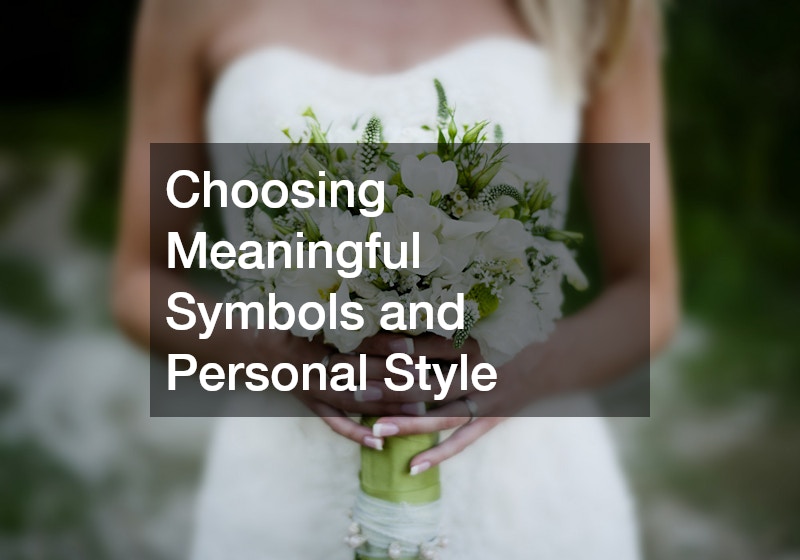
Jewelry selection plays a central role in wedding planning, especially when couples begin thinking about long term symbols of commitment. The wedding ring becomes one of the most meaningful purchases, often chosen with care and attention to detail. Many couples spend time comparing designs, metals, and personal engraving options before making a final decision.
Alongside the wedding ring, diamond rings are often part of engagement planning or upgraded bridal sets. These pieces carry emotional value and often reflect personal taste as well as lifestyle. Some prefer simple designs, while others choose more detailed settings that stand out.
The selection process is not just about appearance. Comfort, durability, and everyday wear also matter. Couples who consider how the ring will feel over time tend to feel more satisfied with their choice.
Jewelry decisions often set the tone for other wedding details. Once the style direction is clear, it becomes easier to align venue decor, clothing choices, and overall theme. This creates a sense of consistency that carries through the entire planning process.
It is also helpful for couples to try on rings during different times of the day. Hands can change slightly with temperature and activity, so testing comfort in real conditions gives a better long term view. Small practical steps like this often prevent regret later.
Many couples also take photos of ring options and revisit them after a few days. This helps separate emotional excitement from long term preference and often leads to clearer decisions. Taking time instead of rushing is usually beneficial in this stage.
Selecting Venues That Fit the Vision
Choosing the right venue is one of the most important steps in wedding planning. Many couples explore banquet halls because they offer structured spaces that can be customized for both large and small gatherings. These venues often provide flexible layouts and established event support, which can simplify planning.
At the same time, some couples prefer a more casual or intimate atmosphere and consider a local restaurant as an alternative. Restaurants often bring built in charm, established menus, and a more relaxed environment. This can reduce the need for heavy decor while still creating a memorable experience.
Both options come with unique advantages. Banquet halls offer scale and flexibility, while restaurants offer convenience and atmosphere. The decision usually depends on guest count, budget, and personal style.
Location also plays a role in shaping guest experience. Easy access, parking, and nearby accommodations can all influence satisfaction. Couples who think through these details early tend to avoid last minute adjustments.
Weather considerations can also influence venue choice. Indoor banquet halls provide more predictability, while restaurant spaces may offer mixed indoor and outdoor seating that feels more relaxed. Planning for seasonal conditions helps avoid unexpected disruptions on the wedding day.
Some couples also think about how the venue connects to their story. A restaurant where they had a first date or a hall in their hometown can add emotional depth to the celebration. These personal touches often matter more than scale or formality.
It also helps to visit venues at the same time of day as the planned event. Lighting, noise levels, and traffic patterns can feel different depending on timing, and this small detail can influence final comfort with the space.
Planning Food and Guest Experience

Food is often one of the most remembered parts of any celebration. Couples spend significant time deciding how to structure dining, whether through plated meals, buffet setups, or shared style service. In many cases, event catering becomes the most practical solution for larger gatherings because it offers flexibility and professional coordination.
Good catering is about more than just menu selection. It involves timing, presentation, and the ability to serve guests smoothly throughout the event. When done well, it supports the flow of the entire wedding reception and keeps guests engaged and comfortable.
Menu planning also reflects personal taste and cultural traditions. Some couples choose comfort foods that feel familiar, while others explore more elevated dining experiences. Either way, the goal is to create a meal that fits the tone of the event.
Coordination between venue and catering team is essential. Clear communication ensures that setup, serving times, and cleanup all happen without confusion. This helps the celebration feel seamless from start to finish.
Presentation has also become more important in modern weddings. Couples often request custom plating styles or themed food stations that match the event aesthetic. This adds a visual element that enhances the guest experience beyond taste alone.
It is also common for couples to schedule a tasting session well in advance. This helps refine menu choices and ensures expectations match delivery. Small refinements during tastings often lead to a much smoother final service.
Some couples also consider late night snacks for guests, especially at longer receptions. Small additions like this keep energy up and create a more memorable ending to the celebration.
Protecting Plans with Smart Financial Preparation
Wedding planning involves emotional and financial investment, which is why protection becomes an important part of the process. Many couples choose event insurance to safeguard against unexpected cancellations or disruptions. This provides peace of mind during the planning journey.
Insurance considerations often begin once major deposits are made. Venues, catering, and other vendors may require commitments well in advance, which creates potential risk if plans change. Having coverage in place helps reduce stress around these decisions.
Another financial aspect involves budgeting for jewelry, especially when selecting diamond rings. Costs can vary widely depending on design and quality, so careful planning helps avoid unnecessary pressure. Couples often set priorities early so they can balance spending across different categories.
Financial organization does not remove emotion from the process, but it helps create stability. When budgets are clear and protection is in place, couples can focus more on enjoyment and less on uncertainty.
Many couples also build a contingency fund for small unexpected costs. These might include last minute guest additions, decor adjustments, or transportation changes. Having a buffer helps keep the overall experience smooth.
Tracking payments in a shared system also improves clarity. When both partners can see progress in real time, it reduces misunderstandings and keeps planning aligned.
Creating Memorable Experiences Beyond the Ceremony
Modern weddings often include experiences that go beyond the ceremony itself. Some couples incorporate unique activities to make the celebration more memorable for guests and themselves. One popular idea is sailing adventures, which offer a scenic and relaxed environment for pre wedding or post wedding gatherings.
Others take a more adventurous approach with a shark charter experience for close friends or family members. While not traditional, these types of activities add excitement and create strong shared memories. They are often planned around destination weddings or extended celebration weekends.
These experiences help break up the structure of formal events and allow guests to connect in different ways. They also reflect the personalities of the couple, making the overall celebration feel more personal and engaging.
Transportation logistics also matter when organizing group activities. Coordinating pickup times, meeting locations, and group sizes helps ensure smooth transitions between events. This level of detail often determines whether guests feel relaxed or rushed.
Some couples also use these experiences as informal bonding opportunities for families who may be meeting for the first time. Shared activities help reduce tension and create natural conversation.
Preparing the Couple Through Shared Activities
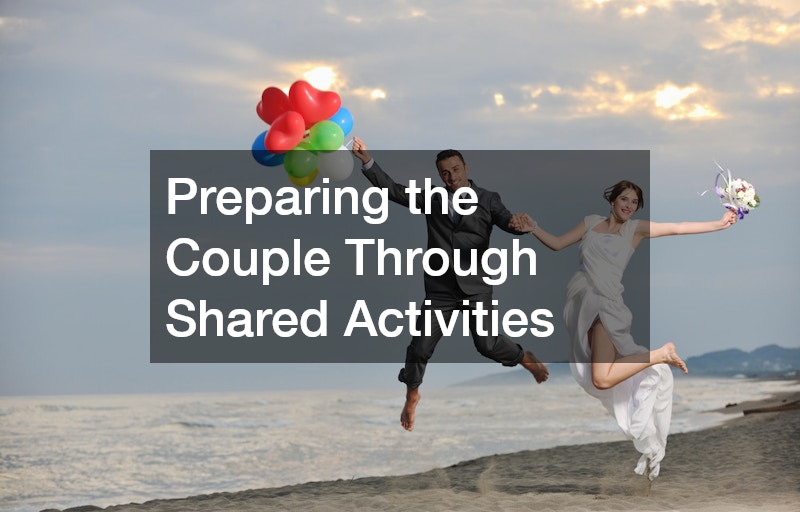
Wedding preparation is not only about logistics. It also involves emotional readiness and shared experiences that strengthen the relationship. Many couples choose dance lessons as a way to prepare for their first dance while also spending quality time together.
Dance lessons help reduce anxiety about the reception and allow couples to feel more confident in front of guests. They also provide a structured activity that breaks up planning stress with something enjoyable and interactive.
Beyond the practical benefit, dance practice can become a meaningful part of the engagement period. It gives couples a chance to step away from planning tasks and focus on connection.
Some couples even extend dance lessons into group sessions with bridal parties or close friends. This turns preparation into a social experience and adds a fun layer to pre wedding gatherings.
It also helps to practice in the same type of shoes planned for the event. This improves balance and comfort and prevents surprises during the actual reception.
Another overlooked benefit is stress relief. Regular movement and rhythm-based practice often help couples unwind during busy planning weeks.
Coordinating All Elements Into One Plan
As the wedding day approaches, coordination becomes the most important factor. Couples must ensure that venues, food providers, vendors, and timelines all align properly. This is where careful planning begins to pay off.
Banquet halls often provide event staff who assist with setup and timing, while restaurants may offer more limited but still valuable coordination support. Understanding what each location provides helps avoid confusion on the day of the event.
At the same time, reviewing event insurance details ensures that all bookings and commitments are protected. This final check helps confirm that no major risks are overlooked.
Catering schedules must also be confirmed to ensure food is served at the right times. Even small delays can affect the flow of the wedding reception, so communication remains essential.
Final walkthroughs of the venue are often scheduled a few days before the event. This allows couples and planners to visualize the space, confirm layouts, and adjust seating if needed.
A final emergency contact list is also helpful at this stage. Having vendor numbers and backup contacts in one place reduces stress if last minute adjustments are needed.
Final Checklist for a Smooth Celebration
In the final stage of planning, couples often review every detail one last time. Jewelry, including the wedding ring and diamond rings, is prepared and secured. Vendor contracts are confirmed, and guest lists are finalized.
Event catering teams are given final headcounts and timing instructions. Venues such as banquet halls or restaurants are prepared for setup, and seating arrangements are double checked.
Protection through event insurance is reviewed again to ensure coverage is active and accurate. This final step helps reduce last minute stress and provides reassurance.
Activities such as sailing adventures, shark charter outings, and dance lessons are also confirmed for timing and participation. These experiences add personality to the celebration and require coordination just like any other part of the plan.
When all elements come together, the result is a structured yet meaningful celebration that reflects both preparation and personal connection.